Overgrown Vegetation Removed Without Hauling Costs
Brush Hogging in Franklin for properties with seasonal overgrowth and dense vegetation that blocks usable land
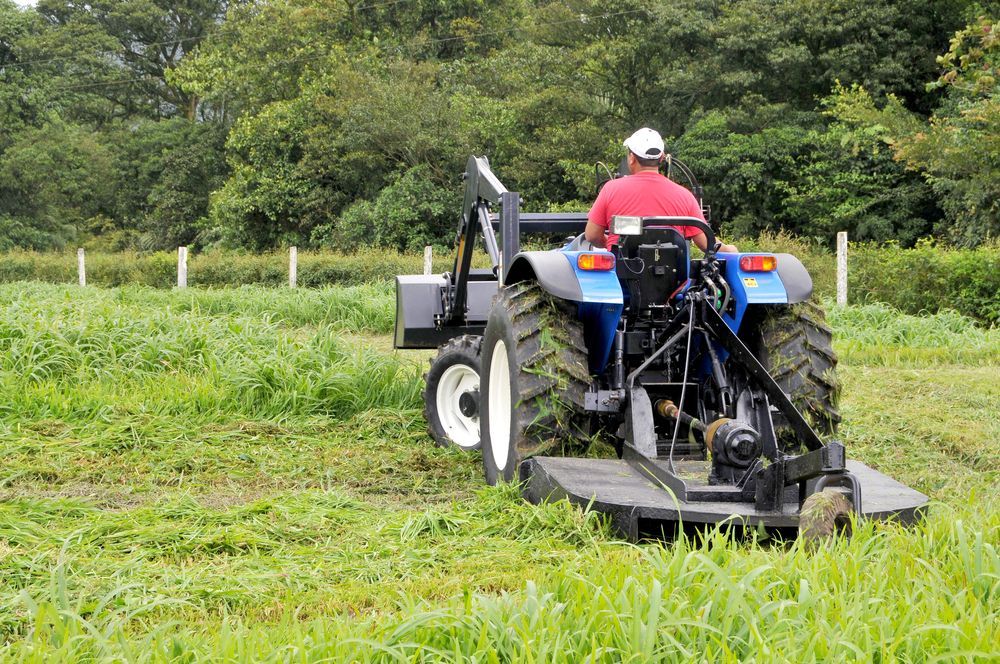
Legacy Land Management uses skid loader-mounted brush hog equipment to clear overgrown vegetation and dense brush on residential and commercial properties across Franklin, Whiteland, and Greenwood. The attachment grinds and mulches material during the same pass, eliminating the need for separate debris removal that adds cost and extends timelines. Central Indiana properties often accumulate thick vegetation during growing seasons, particularly on unmaintained lots or areas left fallow after development plans stall.
Brush hogging handles brush, small trees, and tall grass by grinding material into mulch that stays on-site, which decomposes naturally and returns organic matter to the soil. The skid loader attachment operates in a single pass across dense areas, clearing vegetation down to ground level while the mulching action prevents regrowth more effectively than mowing alone.
Schedule a property evaluation to determine equipment access points and clearing zones for your lot.
How On-Site Mulching Changes the Clearing Process
The brush hog attachment grinds vegetation into small pieces that drop back onto the cleared area, eliminating the stage where contractors load debris into trucks or dumpsters. This mulching approach works well for residential backyard clearing where truck access is limited or where hauling fees would otherwise double the project cost.
After the brush hog completes its pass, the property shows cleared ground with a layer of shredded organic material that settles and breaks down over the following weeks. The area becomes immediately accessible for construction prep, additional grading, or landscape planning, and the mulched material prevents erosion while new vegetation or hardscape goes in.
Weekend scheduling accommodates residential properties where clearing needs to happen around homeowner availability. The operator assesses vegetation density before starting to determine whether a single pass achieves the desired clearing level or whether thick stumps require follow-up removal with excavation equipment.
What Homeowners Need to Know Before Clearing Starts
Property owners in Franklin and surrounding areas often ask about equipment requirements, timing, and what the finished clearing looks like before scheduling brush hogging work.
What size vegetation can brush hogging handle?
The skid loader attachment grinds brush and small trees up to several inches in diameter, though larger stumps or established hardwoods require excavation equipment for full removal rather than surface grinding.
How long does clearing take for a typical residential lot?
Most backyard clearing projects finish within a single day depending on vegetation density and access, with the skid loader covering significant ground area per hour once positioned on-site.
Why does mulching cost less than hauling debris off-site?
Eliminating the debris removal stage removes dump fees, truck time, and disposal costs that otherwise add hundreds of dollars to clearing projects in the Franklin area.
When should I schedule brush hogging for overgrown property?
Clearing works year-round in Central Indiana, though frozen ground in winter can limit equipment movement and wet spring conditions may require waiting for soil to firm before skid loader operation begins.
What happens to the mulched material left on-site?
The shredded vegetation breaks down over weeks to months, adding organic matter back into the soil and preventing bare-ground erosion until you complete the next phase of property development or landscaping.
Legacy Land Management provides transparent project scopes for brush hogging work in Franklin and surrounding communities. Request a site assessment to review clearing zones and determine whether additional stump removal or grading will be needed after vegetation clears.