Precise Digging Without Tearing Up Your Yard
Excavation in Franklin for residential additions, foundation work, and site access without full-size equipment disruption
Legacy Land Management operates mini excavators for excavation projects across Franklin, Whiteland, and Greenwood, handling residential and commercial jobs where access and property preservation matter. You need excavation when adding onto a home, preparing a foundation, installing drainage systems, or creating access routes on existing properties. Mini excavator work means the equipment fits through standard gates and avoids the lawn damage and driveway stress that full-size machines leave behind.
Excavation removes soil to specific depths and grades for concrete pours, utility lines, retaining walls, or site corrections. On Central Indiana residential lots, projects often require selective digging around existing structures, landscaping, and utilities, where precision matters more than speed. The mini excavator approach allows controlled bucket work in tight quarters—between fence lines, near foundation walls, or along property edges where larger equipment cannot operate safely.
Schedule a property evaluation to identify access points and excavation requirements for your project..
What Mini Excavator Work Accomplishes on Residential Sites
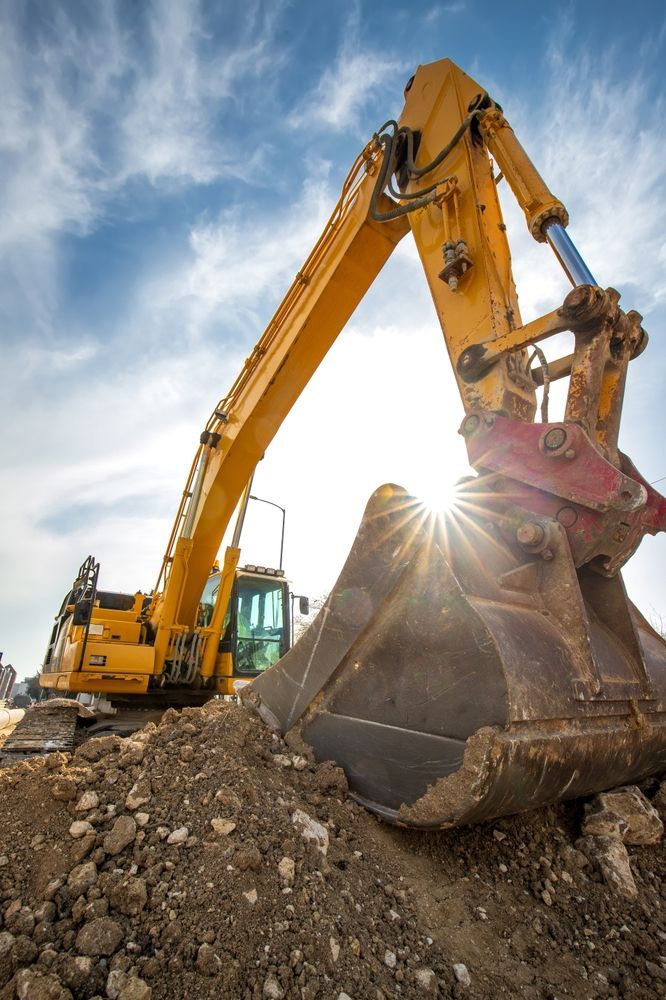
Mini excavator operation involves positioning the machine at the dig site, removing soil in layers to the specified depth, and grading the floor or trench to match foundation or drainage plans. The bucket width and arm reach determine how close the machine can work to existing structures without causing vibration damage or soil disturbance beyond the project area. On weekend or phased projects, the equipment mobilizes and demobilizes without requiring street closures or driveway reinforcement.
Once excavation is complete, you see clean trench walls or foundation floors ready for concrete forms, gravel base, or utility installation. Soil removed during digging is either stockpiled on-site for backfill or hauled away, depending on project scope and available space. The surrounding lawn, driveway edges, and landscape beds remain intact because the machine's footprint and ground pressure stay within tolerance for existing surfaces.
Excavation depth and shape depend on what the project requires—footer trenches follow building codes for frost depth, utility trenches slope for drainage, and site prep excavation removes topsoil to reach stable subgrade. The operator adjusts bucket angle and machine position throughout the dig to maintain grade accuracy and avoid overcutting, which increases backfill costs and extends timelines..
What Property Owners Usually Ask
Excavation projects in Central Indiana raise practical questions about equipment access, timing, and site conditions. The following answers address what homeowners and contractors need to know before starting work..
What size opening does a mini excavator need for backyard access?
Most mini excavators fit through a 36-inch gate, though verify the specific machine width before scheduling—some models require 42 inches to clear posts and hinges without removal.
How does soil type in Franklin affect excavation work?
Central Indiana clay soils hold trench walls better than sand but require more force to dig, slowing bucket cycles and sometimes requiring water or loosening when dry and compacted.
What happens to the dirt removed during excavation?
Excavated soil is stockpiled on-site if you need it for backfill or grading later, or loaded and hauled if the project generates excess material or if the soil contains clay unsuitable for reuse around foundations.
When should excavation happen relative to other construction steps?
Excavation occurs after site layout and utility marking but before concrete forms or gravel placement—timing depends on weather, inspector availability, and whether the hole can stay open safely between steps.
How do you prevent excavation from damaging nearby structures or utilities?
The operator maintains clearance from foundation walls, calls in utility locates before digging, and uses hand tools near marked lines to expose and protect underground services before machine work begins.
Legacy Land Management operates equipment directly on each excavation project, ensuring consistent depth control and site communication throughout the dig. Reach out to arrange an on-site consultation that reviews access routes, soil conditions, and project sequencing for your property.