Grading That Fixes Drainage and Foundation Issues
Dirt Work in Franklin for regrading properties, correcting water flow, and preparing lots for additions or site improvements
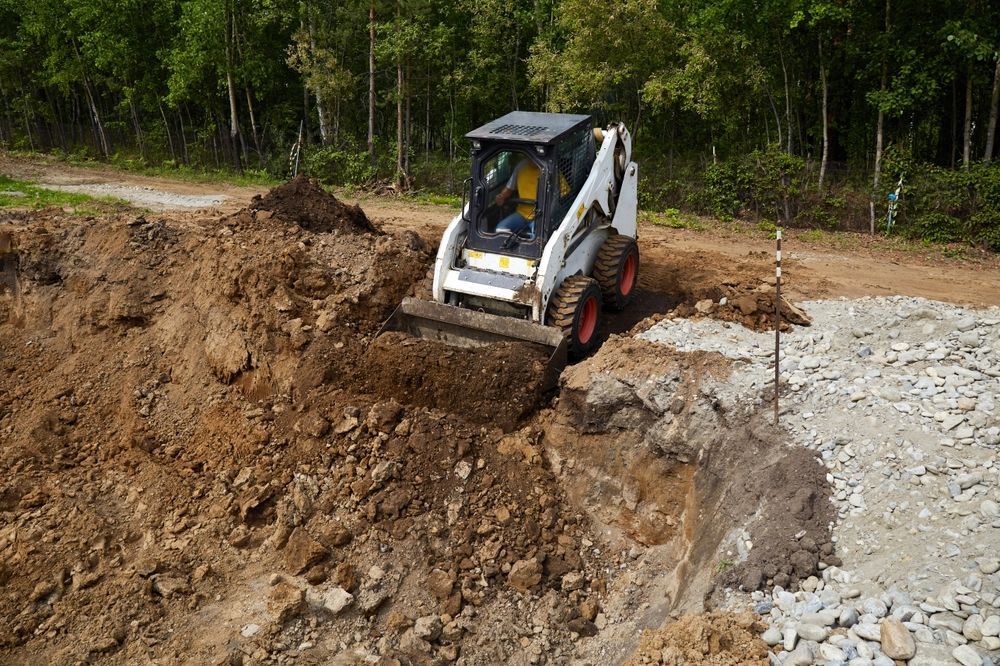
Properties across Franklin, Whiteland, and Greenwood develop drainage problems when original grades settle, landscaping changes redirect water, or additions alter how runoff moves across the lot. Legacy Land Management manages dirt work projects that reposition soil, establish correct slopes, and place fill material to resolve standing water, foundation moisture, or erosion issues. The work uses mini excavators and skid loaders to move material precisely without disturbing areas outside the correction zone.
Dirt work removes high spots that block drainage, fills depressions where water pools, and reslopes areas so runoff moves away from structures toward designated drainage points. Indianapolis metro properties frequently need regrading after years of settling or when previous contractors left incorrect slopes that funnel water toward basements or crawl spaces instead of away.
Schedule a site evaluation to map current drainage patterns and determine fill quantities for your property.
How Dirt Work Addresses Slope and Material Problems
The process begins with assessing existing grades using laser levels or grade stakes, identifying where water currently flows, and calculating how much soil needs moving to achieve correct pitch. The operator then cuts soil from high areas, hauls it to low spots, and compacts each lift of fill to prevent future settling. On projects requiring additional material, fill dirt is delivered and spread in layers, with compaction between each layer to meet structural stability.
Once dirt work is complete, water moves visibly away from building foundations, driveways drain without ponding, and previously wet areas dry out after rain. Soil surfaces are firm enough to support foot traffic, equipment, or landscaping installation without sinking. Direct operator involvement reduces material waste because the person running the equipment makes real-time decisions about cut-and-fill balance rather than following a fixed bid that may not match site conditions.
Dirt work projects sometimes require import or export of soil depending on whether the site needs more material than it generates or produces excess that must be hauled away. Clay soils common in Central Indiana hold moisture and compact differently than sandy loam, affecting how much material you need to achieve stable grades and proper drainage.
Common Questions About This Service
Dirt work projects raise questions about material costs, timing, and results. The following addresses what homeowners typically want to know before starting.
What causes properties in Franklin to develop drainage problems over time?
Settlement of fill soil around foundations, changes to neighboring lot grades, landscaping that blocks original drainage paths, and gutter downspouts discharging too close to structures all contribute to water flow issues.
How much dirt work is required to fix a drainage problem?
The amount depends on how far water needs to travel and how much elevation change is required—minor regrading may move soil a few inches over 20 feet, while severe corrections can require adding several feet of fill across large areas.
What type of fill material works best for residential regrading projects?
Clean fill dirt free of organic material, roots, and debris compacts reliably and supports landscaping or structures—clay-based fill holds grades on slopes, while sandier fill drains faster in low areas prone to saturation.
When should dirt work happen relative to landscaping or hardscape installation?
Grading occurs before planting, sod installation, or paver work because those surfaces depend on stable, correctly sloped subgrades—attempting landscaping first results in rework and additional costs.
How do you verify that regrading actually solved the drainage issue?
Observing water flow during or after the next significant rain shows whether runoff moves as planned—standing water, wet spots, or foundation moisture indicate additional correction is needed.
Legacy Land Management operates dirt work equipment directly on each project, adjusting material placement and compaction based on observed site response rather than preset plans that may not match actual conditions. Arrange a property consultation to review drainage concerns and develop a grading solution tailored to your lot's topography and water flow patterns.